Inside a Craft Spirit Tasting Room: What Actually Happens Once You Walk Through the Door

Most people assume a craft spirit tasting room is basically a bar with a gift shop attached. That's not quite right. These places are something different, and once you understand what they're actually built to do, you'll get a lot more out of visiting one.
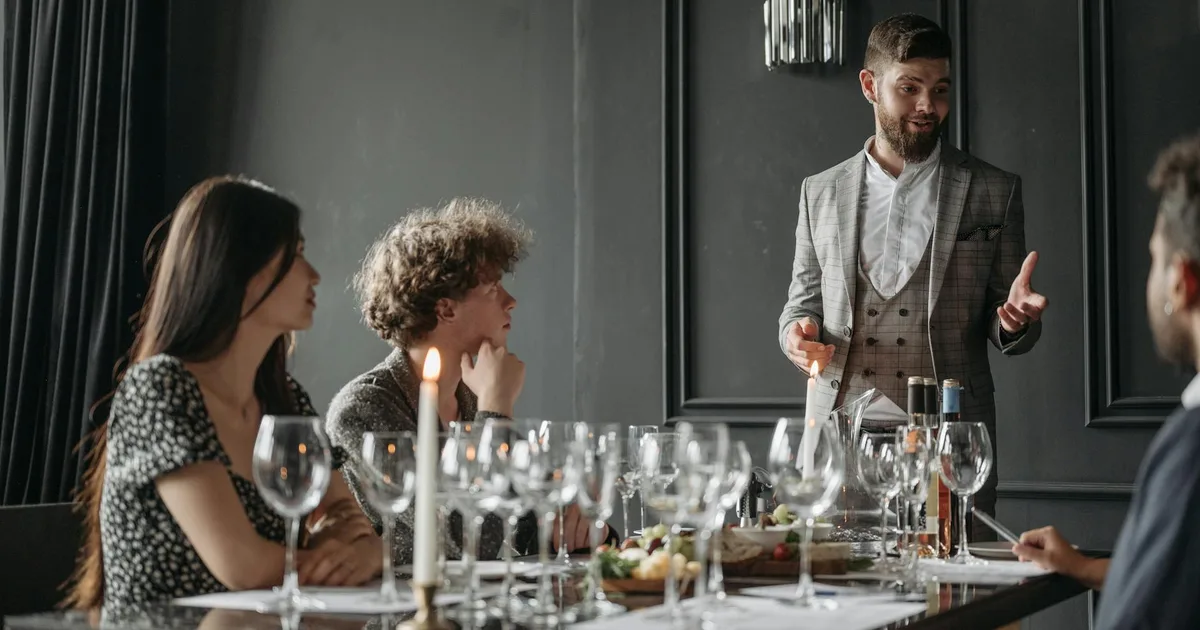
Distillery Pal lists 139+ verified craft spirit tasting rooms across the country, rated an average of 4.8 stars. That high average isn't an accident. Tasting rooms at working distilleries tend to attract staff who genuinely care about what they're pouring, and that comes through fast.
1. What a Craft Spirit Tasting Room Actually Is
A craft spirit tasting room is the public-facing space of a working distillery. It exists so you can try the spirits made on-site before buying, talk to people who actually made them, and learn how the product gets from grain or fruit to bottle. It's not a cocktail bar. It's not a liquor store. It's somewhere in between, with an educational layer that most bars don't bother with.
Walking into one for the first time, you'll usually notice the still visible through a window or right there in the room with you. That's intentional. These places want you to connect what's in your glass to the equipment that made it. Some tasting rooms are loud and social; others feel closer to a wine cellar, quiet and focused. The vibe depends heavily on the distillery's personality.
And here's something worth knowing: production scale matters more than you'd expect. A tiny operation making 500 cases a year will run their tasting room completely differently than a mid-size craft distillery doing 10,000. Smaller places often feel more personal, sometimes just one or two people pouring and talking, while larger craft tasting rooms might have a full menu and scheduled tour groups moving through.
2. What to Expect During a Tasting
You'll usually pay a small fee, somewhere between $5 and $20, for a flight of three to six pours. That fee is often credited back if you buy a bottle. Good policy. It weeds out people just looking for cheap drinks and keeps the focus on the product.
Staff will walk you through each pour. They'll tell you what the base ingredient is, how long it aged (or why it didn't age at all, if it's a white whiskey or an unaged rum), and what flavor notes to pay attention to. You do not need to be an expert. That's the whole point. Ask questions. Nobody working a tasting room is going to make you feel silly for not knowing the difference between a pot still and a column still.
Pacing matters at craft spirit tasting rooms more than people realize. You're not racing through shots. A proper flight takes 30 to 45 minutes if you're actually paying attention, and the staff will encourage you to slow down. Drink water between pours. They'll have it on the bar without you asking, at least at the good ones.
Some tasting rooms also offer food pairings or small snacks. Not all of them. It's worth checking before you go, especially if you're planning a longer visit or bringing people who eat before they drink.
3. How These Places Differ from Bars and Liquor Stores
A bar sells you a drink. A liquor store sells you a bottle. A craft spirit tasting room does both, but neither one is the main point.
Context is what separates them. You can buy a bottle of local whiskey at a liquor store, sure, but you won't meet the person who decided on the mash bill, or see the barrels stacked in the back room, or understand why this particular distillery chose white oak over other options. That context changes how you experience the spirit later, at home, pouring it for friends.
Craft spirit tasting rooms are also more willing to pour things that aren't finished. Experimental batches, single-barrel selections, spirits that will never see a retail shelf because there are only 80 bottles. That kind of access doesn't exist anywhere else. It's one of the genuinely good reasons to seek these places out rather than just buying off a website.
One more thing that catches people off guard: the retail prices at the tasting room are sometimes higher than what you'd find at a grocery store chain. That's because you're buying direct, often getting something limited, and the distillery is keeping more of the margin. It's worth it for the exclusive stuff. For their standard release, you might as well grab it at your regular store.
4. How to Make the Most of Your Visit
Go on a weekday if you can. Weekend tasting rooms can get crowded, especially at popular spots, and the experience suffers when the staff is stretched thin and the room is noisy. A quiet Tuesday afternoon is a different thing entirely.
Come with a question or two ready. What's the most unusual spirit they make? What's the staff favorite that doesn't sell as well as it should? These questions get you off the standard script and into a real conversation. That's where the interesting stuff lives.
Check if the tasting room offers tours. Many craft spirit tasting rooms run 30-minute production tours that go beyond what you'd learn just at the bar. Some are free with a tasting; some cost extra. Either way, seeing the actual distillation process in person sticks with you longer than any amount of reading about it.
Browse the listings on Distillery Pal before you plan a trip. You can find tasting rooms by location, check what's been verified and rated, and get a sense of which ones are worth a longer drive. A 4.8-star average across more than a hundred locations is a solid baseline, but the individual reviews will tell you whether a specific place leans educational, social, or somewhere in the middle.
Find your next craft spirit tasting room experience on Distillery Pal and see what's pouring near you.