Inside a Rum Distillery: What Actually Happens Beyond the Tasting Room

You pull open a heavy door, and the smell hits you before anything else. Molasses, heat, something faintly sweet and boozy all at once. That's a rum distillery, and it's unlike most places you'll visit on a spirits tour.
What a Rum Distillery Actually Is
Rum distilleries are production facilities that ferment and distill sugarcane byproducts, usually molasses or fresh sugarcane juice, into rum. Some are small craft operations running a single pot still in a converted barn. Others are large-scale producers bottling thousands of cases a month. Both are worth visiting, but the experience is genuinely different depending on which kind you end up at.
At the core, the process goes like this: sugarcane juice or molasses gets mixed with water and yeast, fermented into a wash, then distilled to concentrate the alcohol. After that, the rum is either bottled young and light or put into barrels to age. Aged rum picks up color and flavor from the wood. That's it, really. Simpler than whisky in some ways, more variable in others.
Worth knowing: rum has no globally standardized production rules the way Scotch whisky does. Each country, and sometimes each distillery, sets its own standards. That means you'll find huge variation between listings on Distillery Pal, which has 139+ verified rum distillery listings averaging 4.8 stars. A Jamaican rum distillery and a Florida craft rum distillery are operating in almost entirely different traditions.
Go in without fixed expectations. That openness will serve you well.
What to Expect When You Walk Through the Door
Most rum distilleries offer a combination of a production tour and a tasting. Tours usually run 45 minutes to an hour and take you through the fermentation tanks, still room, and barrel storage. Some facilities keep things casual, with a guide leading a small group through cramped production spaces that smell incredible. Others have polished visitor centers with video displays and retail shops built right in.
Honestly, the scrappier tours are often more interesting. You're closer to the actual equipment, the guide is usually someone who works production, and the questions tend to get more technical answers.
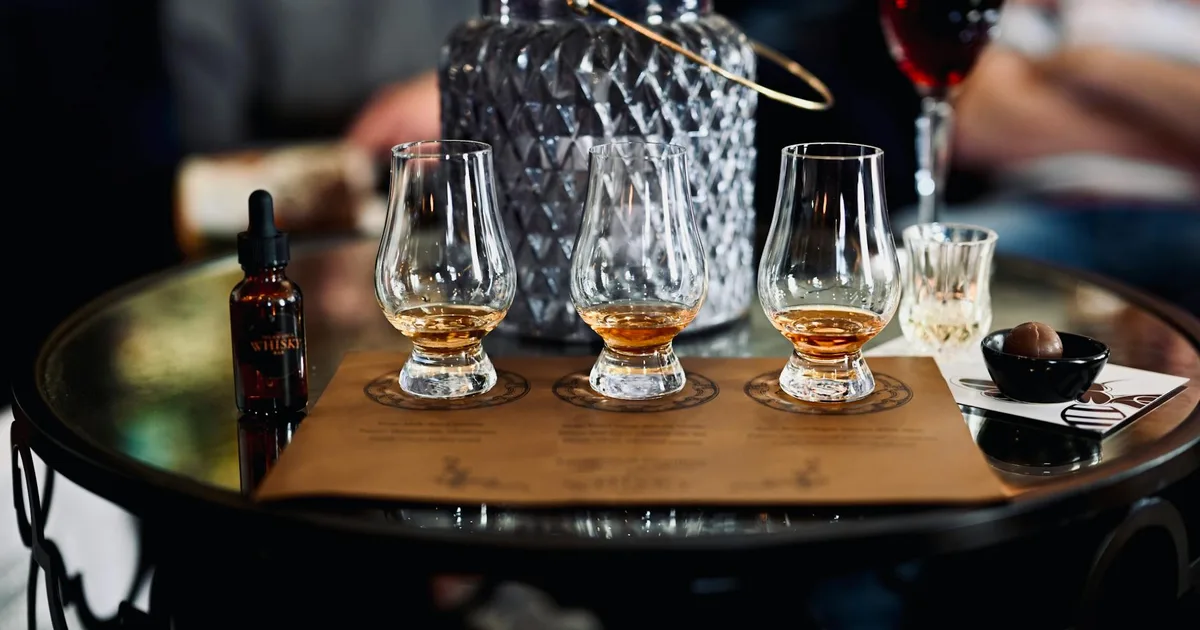
Tastings at rum distilleries typically include three to six expressions, ranging from unaged white rum to aged sipping rums and sometimes spiced or flavored varieties. A few places will let you try rum straight from the barrel, which is a different experience from anything in a bottle. Do not skip that if it's offered.
A small thing I noticed at several distilleries: the gift shop is almost always near the exit, right after the tasting. You'll be in a good mood. They know this.
Some rum distilleries also run cocktail-making classes, private barrel selection events, or seasonal release parties. Check the listing details before you visit because these events fill up fast and aren't always advertised well outside the distillery's own channels.
How Rum Distilleries Differ from Other Spirits Producers
Bourbon distilleries and rum distilleries are not the same kind of visit, even though both involve fermentation, distillation, and tasting rooms. Bourbon production is tightly regulated, aging requirements are strict, and the grain-based mash process is fairly consistent across producers. Rum is looser. Two rum distilleries can use completely different raw materials, fermentation lengths, still types, and aging approaches and both are making legitimate rum.
That variety is one of the best things about visiting these places.
Compared to gin distilleries, rum distilleries tend to have a stronger connection to their raw ingredients. A gin producer is mostly buying neutral spirit and redistilling it with botanicals. A rum distillery is usually starting from scratch with fermentation, which means there's more to see on the production side of the tour. More tanks, more activity, more smell.
And here's a detail that doesn't come up often: the fermentation room at a rum distillery can be loud. Active fermentation produces CO2, and large open fermenters make a slow bubbling sound that some people find oddly satisfying and others find slightly alarming. Completely normal either way.
Craft rum distilleries, especially newer ones, often position themselves differently from traditional producers. They might focus on single-origin sugarcane, unusual barrel finishes, or very short aging periods. These are worth trying on their own terms rather than comparing them directly to Barbados or Jamaican style rum.
How to Get the Most Out of a Visit
Book in advance. Rum distilleries with good reputations fill their tour slots, especially on weekends. Showing up and hoping for a walk-in spot works sometimes, but not reliably.
Ask about the fermentation time before you go, if you can. Short fermentations of 24 to 48 hours tend to produce lighter, cleaner rums. Long fermentations of five or more days, common in Jamaica, produce heavier, more funky spirits. Knowing which style the distillery favors helps you decide whether it matches what you actually like drinking.
Wear closed-toe shoes. Production floors are wet, sticky in places, and occasionally have equipment running. Every rum distillery I've seen asks for this and half the visitors ignore it.
If the tasting includes an aged expression, slow down with it. These are usually the most interesting pours of the tour, and they're easy to rush through when you're caught up in the energy of the group.
One direct recommendation: if you're choosing between two rum distilleries and one offers a production tour while the other only does tastings, pick the production tour. You can taste rum anywhere. Watching a working still is worth the extra time.
Frequently Asked Questions
- Do rum distilleries allow children on tours? Policies vary. Many allow children in the visitor center and tasting room area but restrict access to the production floor. Call ahead if you're bringing kids.
- Can you buy rum directly at a distillery? Most rum distilleries sell bottles on-site, sometimes including distillery-exclusive expressions not available elsewhere. Prices are usually comparable to retail, occasionally a bit higher.
- How long does a typical rum distillery visit take? Plan for 90 minutes to two hours if you're doing a full tour and tasting. Some shorter tasting-only visits run 30 to 45 minutes.